Wish List
Help us train the next generation of maritime professionals.
Donate any of these
items
or your
skills
to help out our teen Explorers.
Our SVMBC charter organization is a 501(c)3 corporation with EIN 94-1156254
SVMBC is Platinum Transparency rated on Candid Guidestar.
SVMBC is a four star charity with 96% score on Charity Navigator.
Physical Items
For environmental reasons, we would prefer surplus, new old stock, or pre-owned materials where possible.
Webcam
While the most fun and learning will happen if explorers can join us in person for hands-on activities, we understand that busy schedules and long commutes can get in the way. We do our best to provide hybrid options for joining our meetings. We currently use the built-in microphone and camera of an HP laptop, placed on a table or held up by hand to show what is going on. A webcam, wireless or with a long cable so that it can be mobile separate from computer, would improve the experience for those joining us virtually by giving them a better vantage of meeting activities.
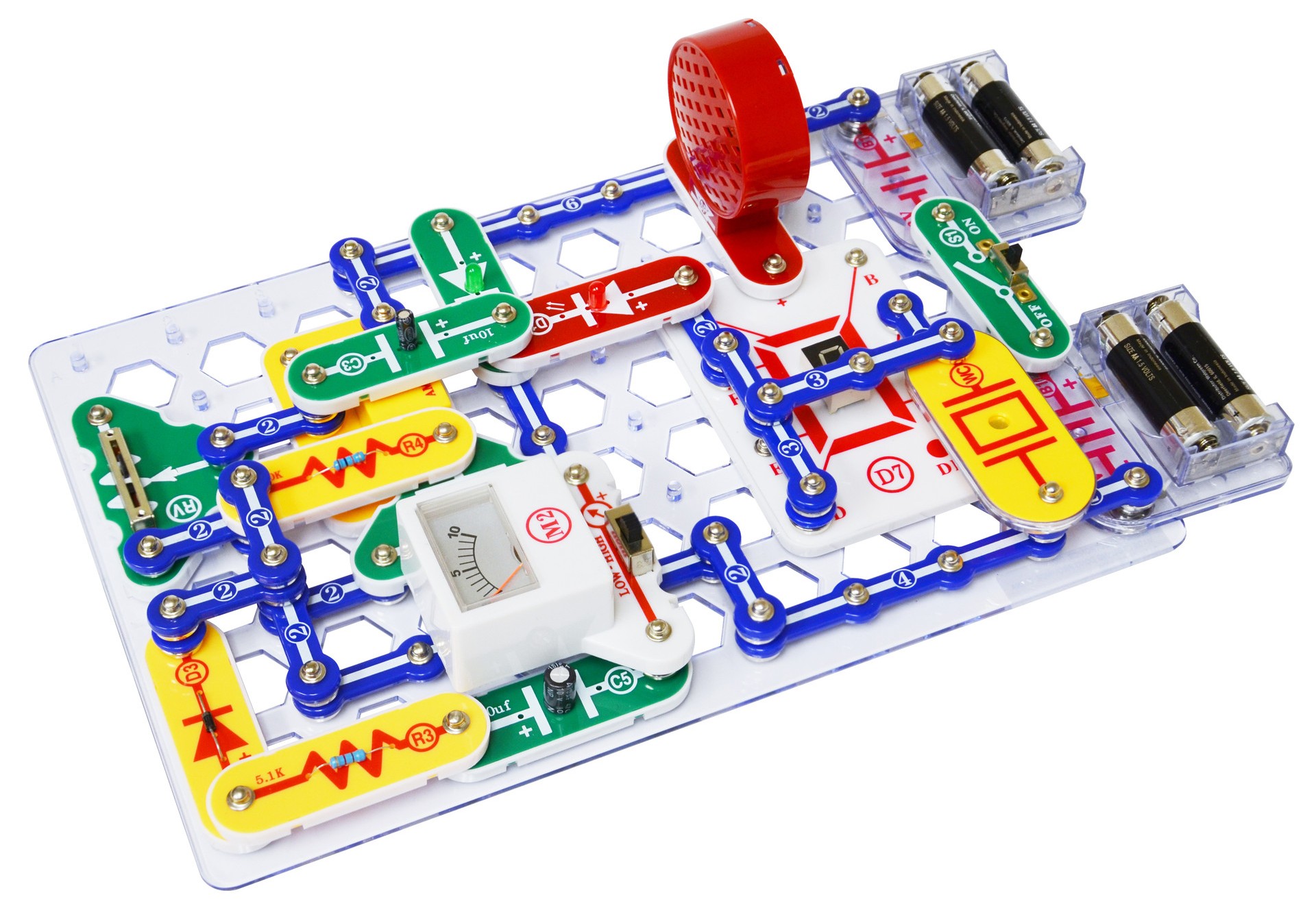
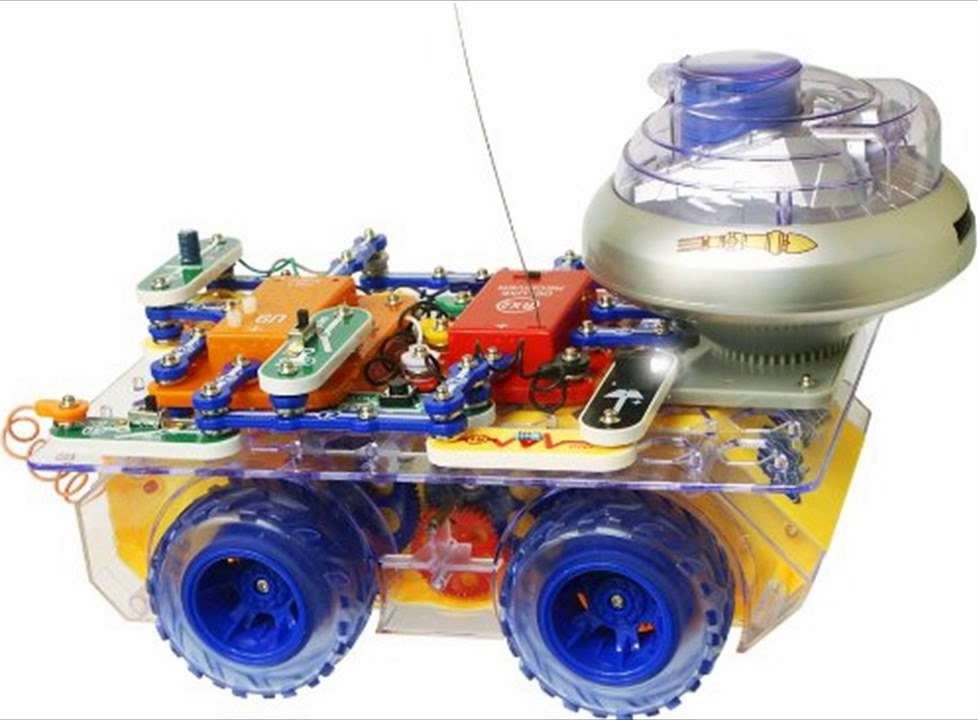
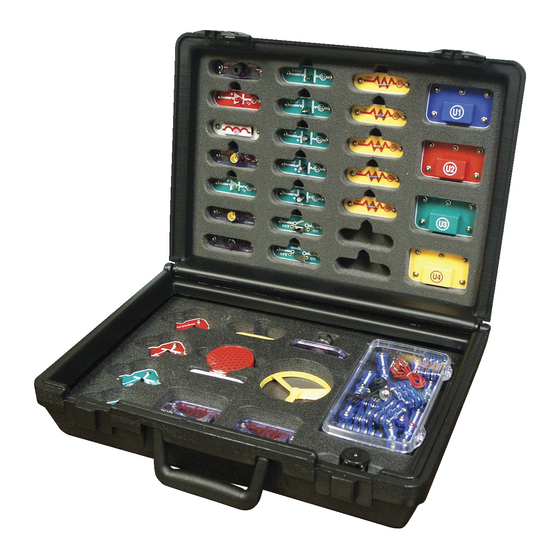
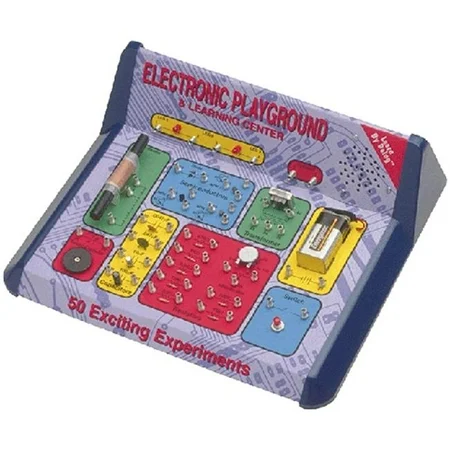
Snap Circuits kits
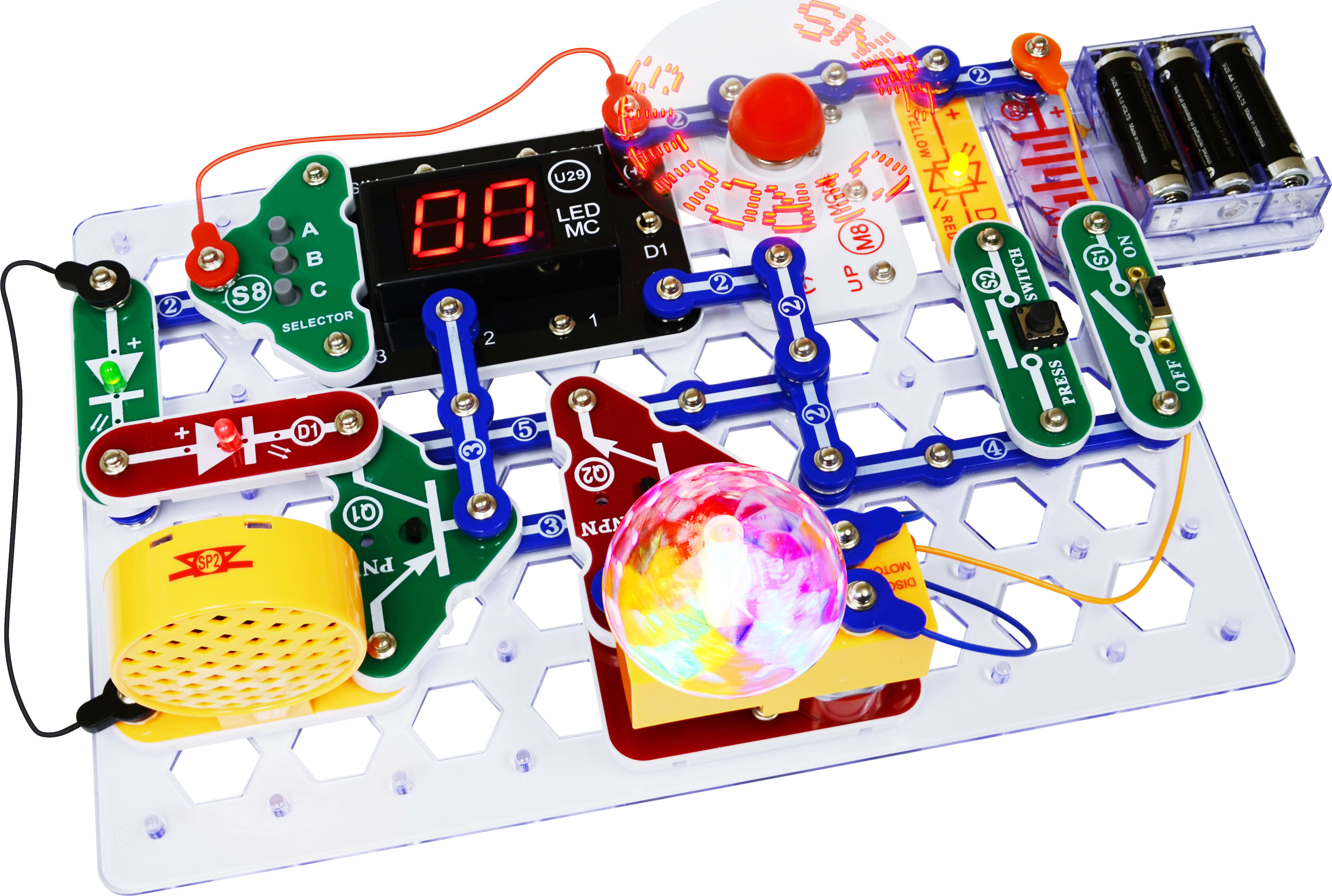
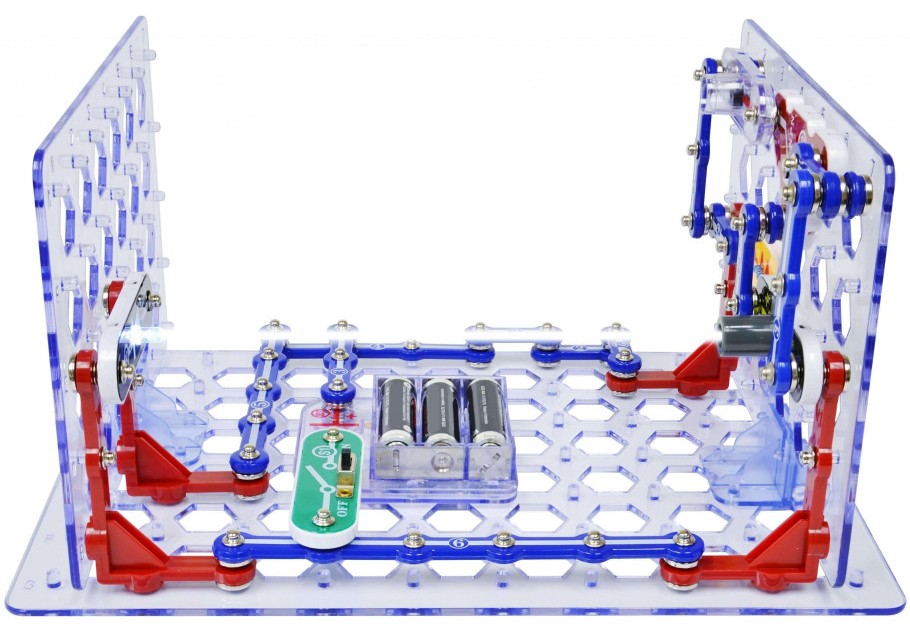
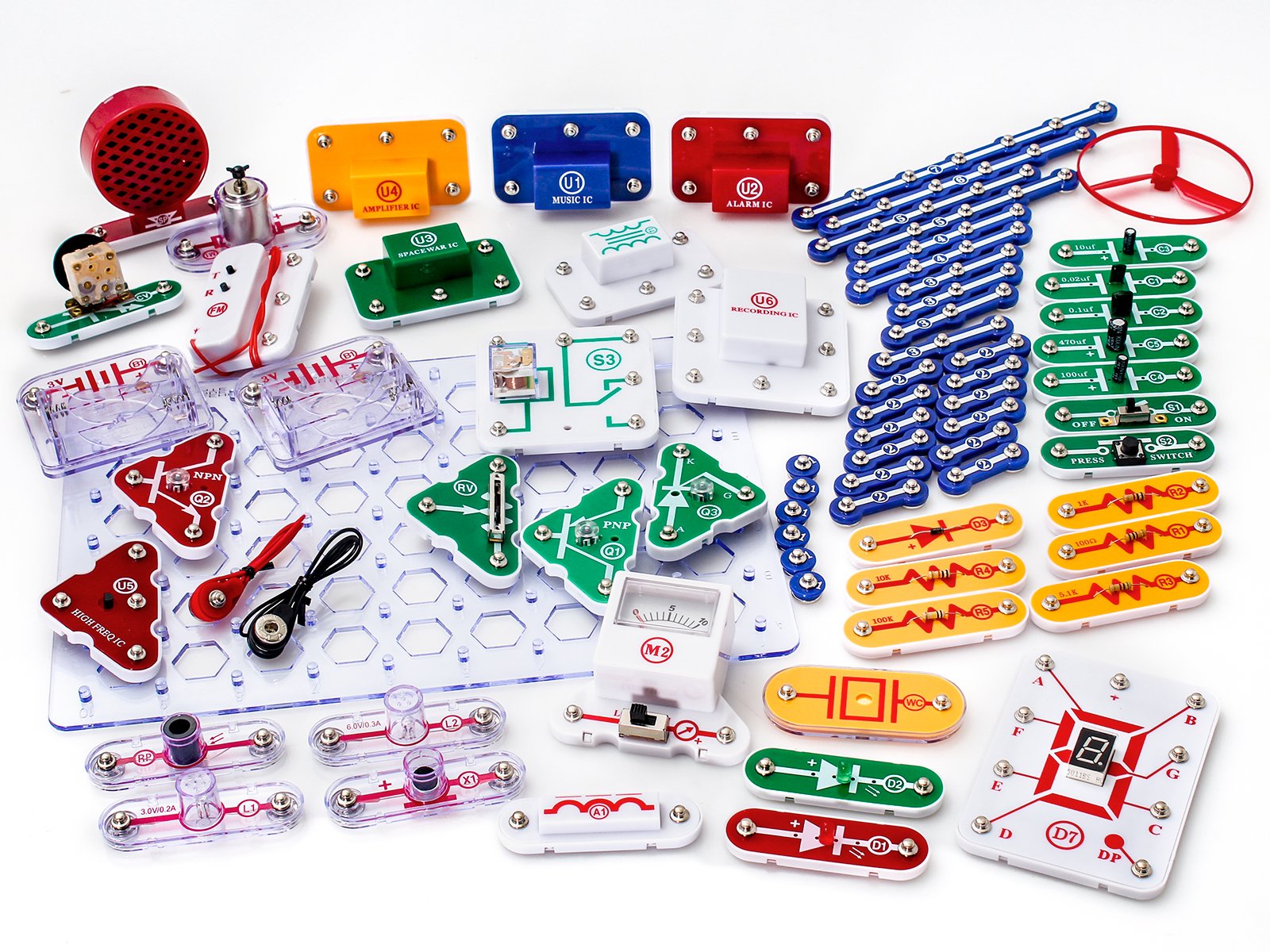
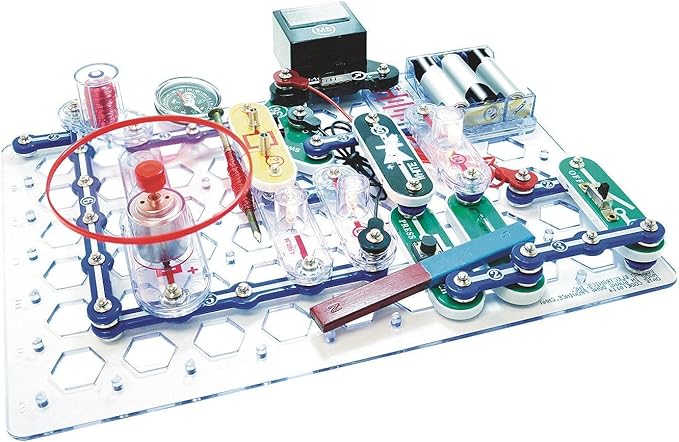
Teens can be a bit awkward and klutzy. These colorful kits with easy to handle pieces are ideal for getting someone started in electronics without some of the frustration of manipulating tiny components with pins & wires. The larger size of the components also make viewing the circuit by multiple Explorers at a time easier. Multiple kits would allow us to efficiently train multiple Explorers at the same time.
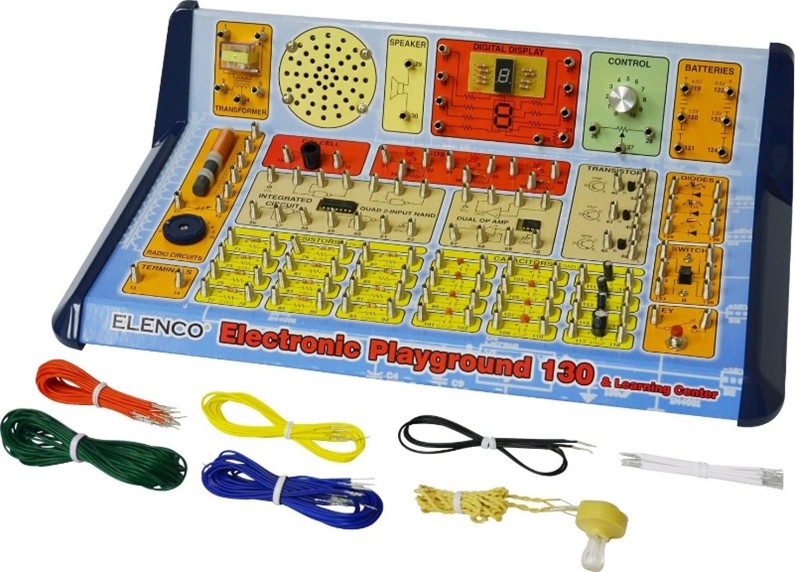
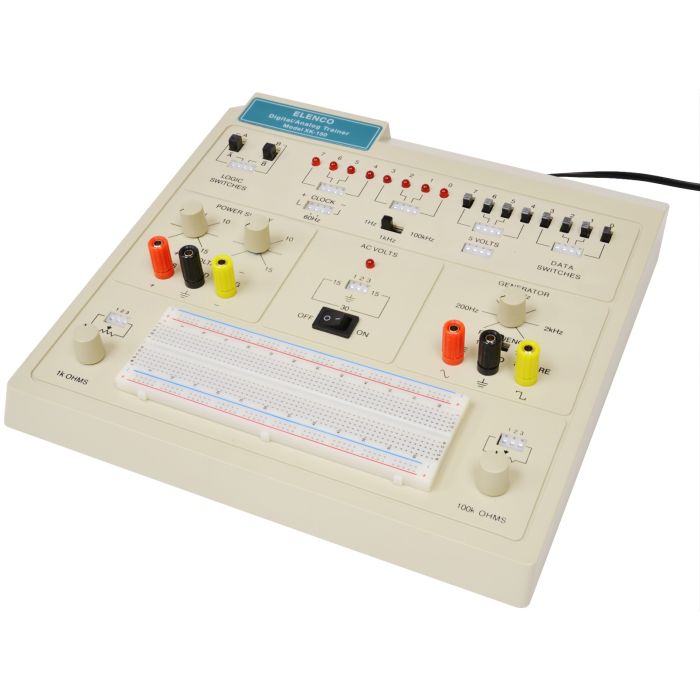
Elenco type electronics trainers
After getting experience on Snap-circuits the Explorers can then move on to these types of trainers. With all the components attached to the trainer it is hard for the individual parts to get misplaced. Multiple kits would allow us to efficiently train multiple Explorers at the same time. The exact brand or style is not important, we can use any similar kind of trainer.
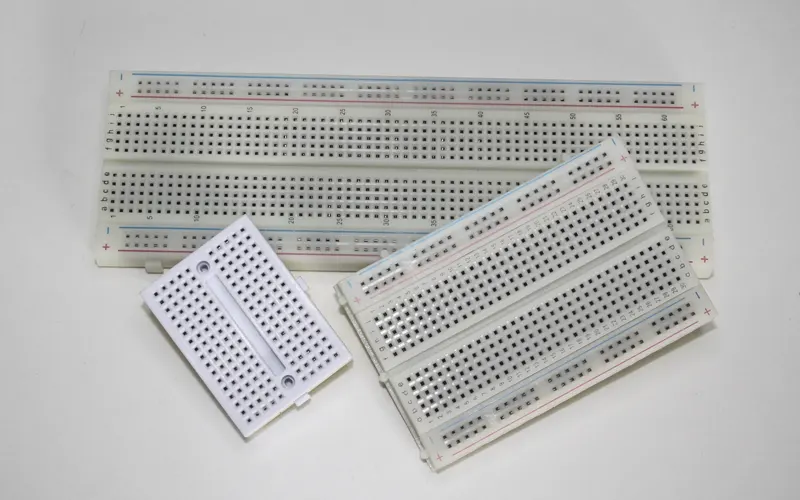
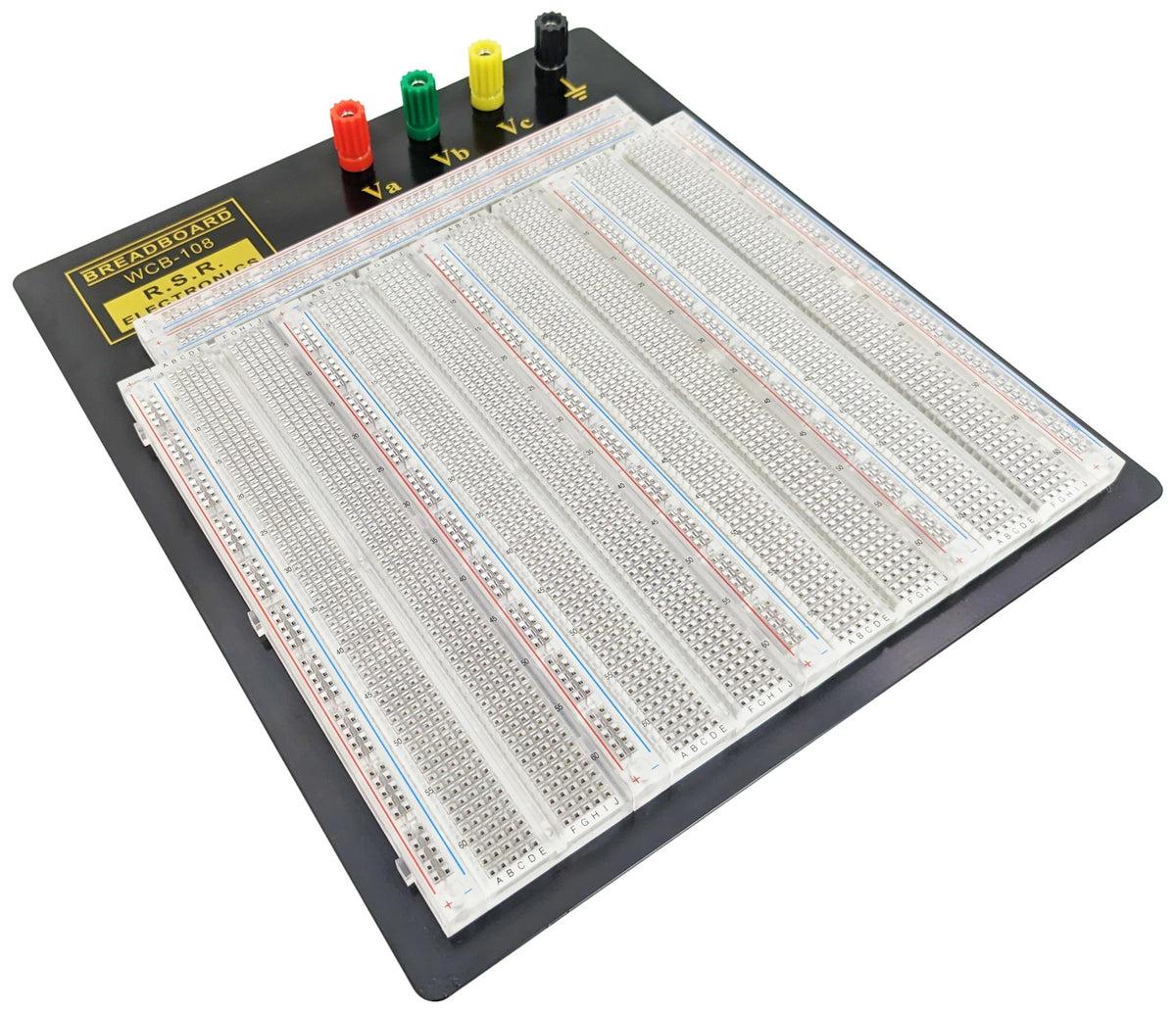
Electronics solderless prototype boards
After using Snap-circuits and trainers a Explorer can then start to construct more advanced circuits in the way that a professional would. By using these 0.1 inch centered boards we avoid the safety risk of actual soldering while offering a nearly unlimited range of circuits to build. Multiple kits would allow us to efficiently train multiple Explorers at the same time. The exact brand or style is not important, we can use any similar style of equipment.
Electronic Soldering Kits
Even though for safety reason we will not be soldering. The circuits of such kits can be replicated on solderless protoboards using the components in the kits. For kits that have display elements that need to be on a PCB, our adult members can solder those parts and provide pigtails so that the remainder of the circuit can be created on the proto board. Abandoned, partially completed or damaged kits can still be used and are appreciated. Kits with foreign language instructions (ex Chinese) are still usable as we can usually figure them out one way or another.
Electronic Components
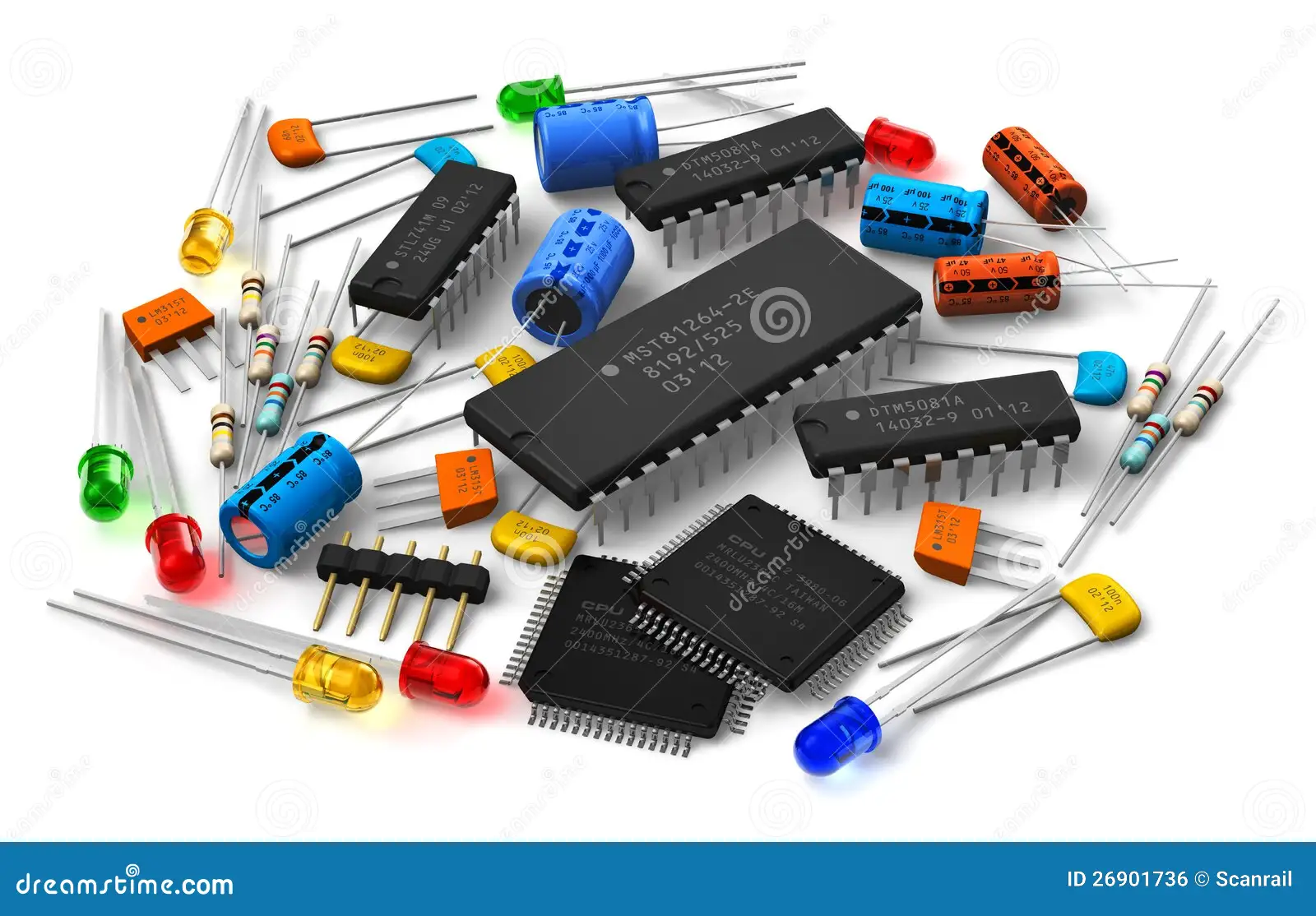
Any components with leads: resistors, capacitors, coils, diodes, transistors, LEDs, Integrated circuits, ferrites, connectors, filters, hookup wire, nichrome shape memory wire, etc. would be appreciated so that we can come up with interesting and challenging circuits for Explorers to build. Any SMT components should be mounted on cards that can be plugged into 0.1 inch centered protoboards. Parts packaged with identification is preferred, but random parts can also provide their own learning experience.
Electromechanical Components
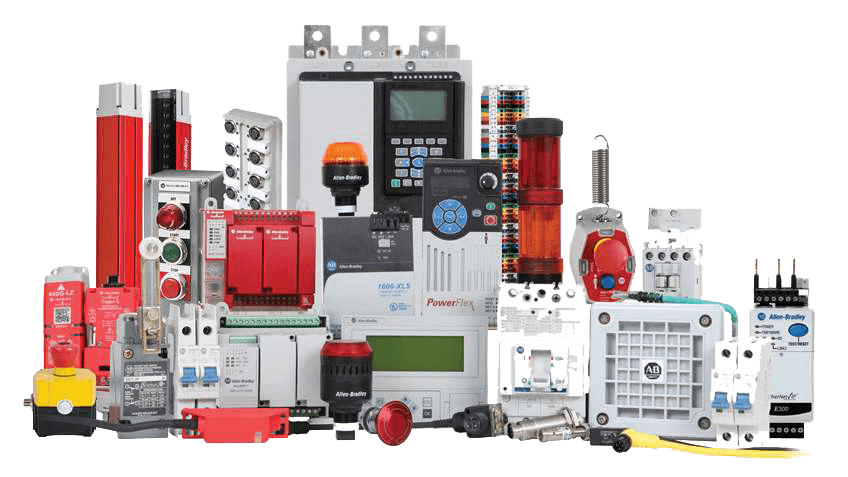
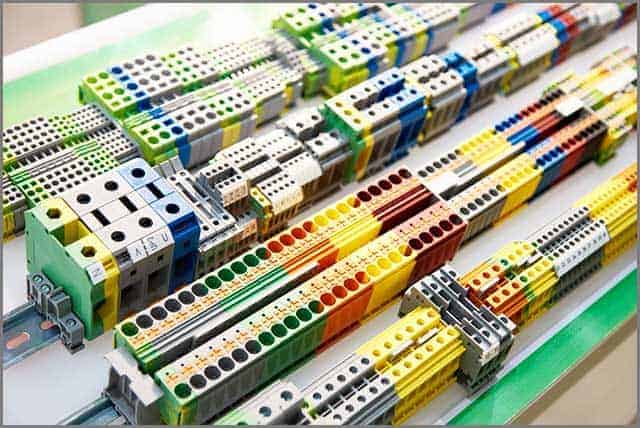
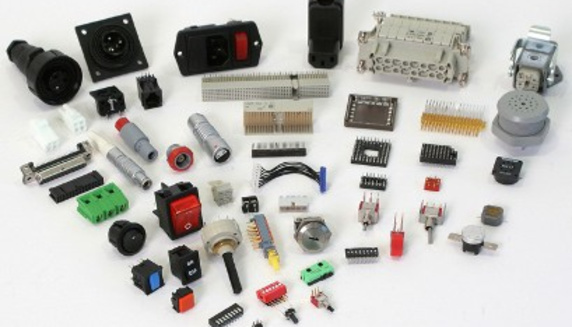
Switches, relays, motors, contactors, power supplies, VFDs, servo drivers, light towers, timers, terminal blocks, DIN rail, sensors (temperature, pressure, flow, light, limit switches, level, etc.), chart recorders, solenoids, linear actuators etc. would be appreciated so that we can come up with interesting and challenging industrial control circuits for Explorers to build. Parts with identification are preferred. Parts can be connectorized, terminaled or pigtailed. Multichannel plug programmable drum timers (Tenor) from the last century would be wonderful concept teaching tools.
Electronics Test Equipment
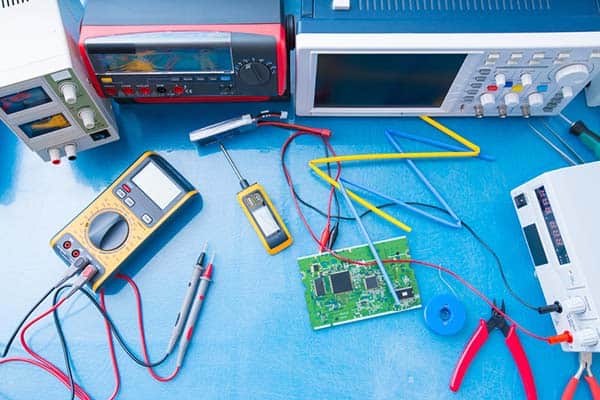
DMMs, lab power supplies, oscilloscopes, frequency counters, sound level meters, function generators, data loggers, etc. would be appreciated to help Explorers analyze and troubleshoot their circuits as well as get dexterous using such tools. Entry level instruments would be preferred but more advanced surplus instruments would provide challenging learning experiences. DMMs for each Explorer to use during circuit building meetings are the most useful.
Surplus automotive, industrial or maritime trainers
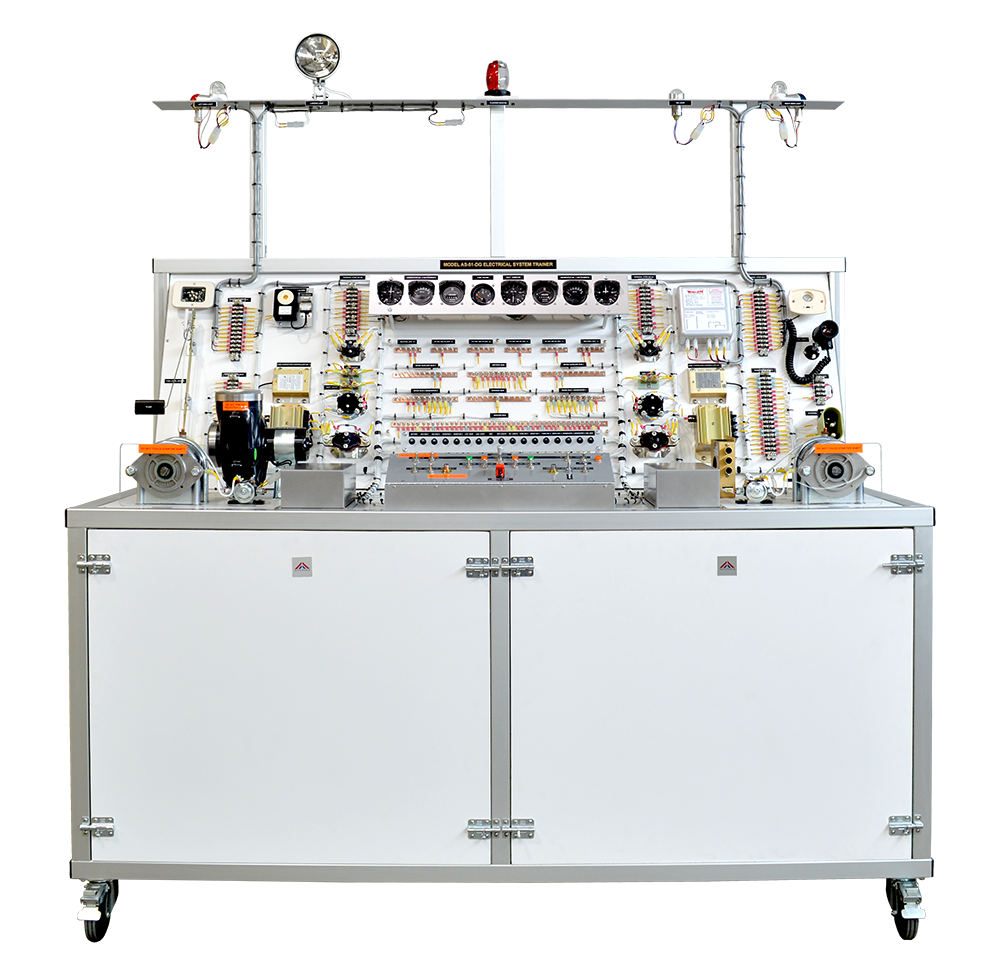
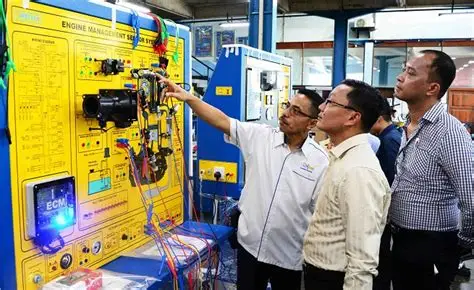
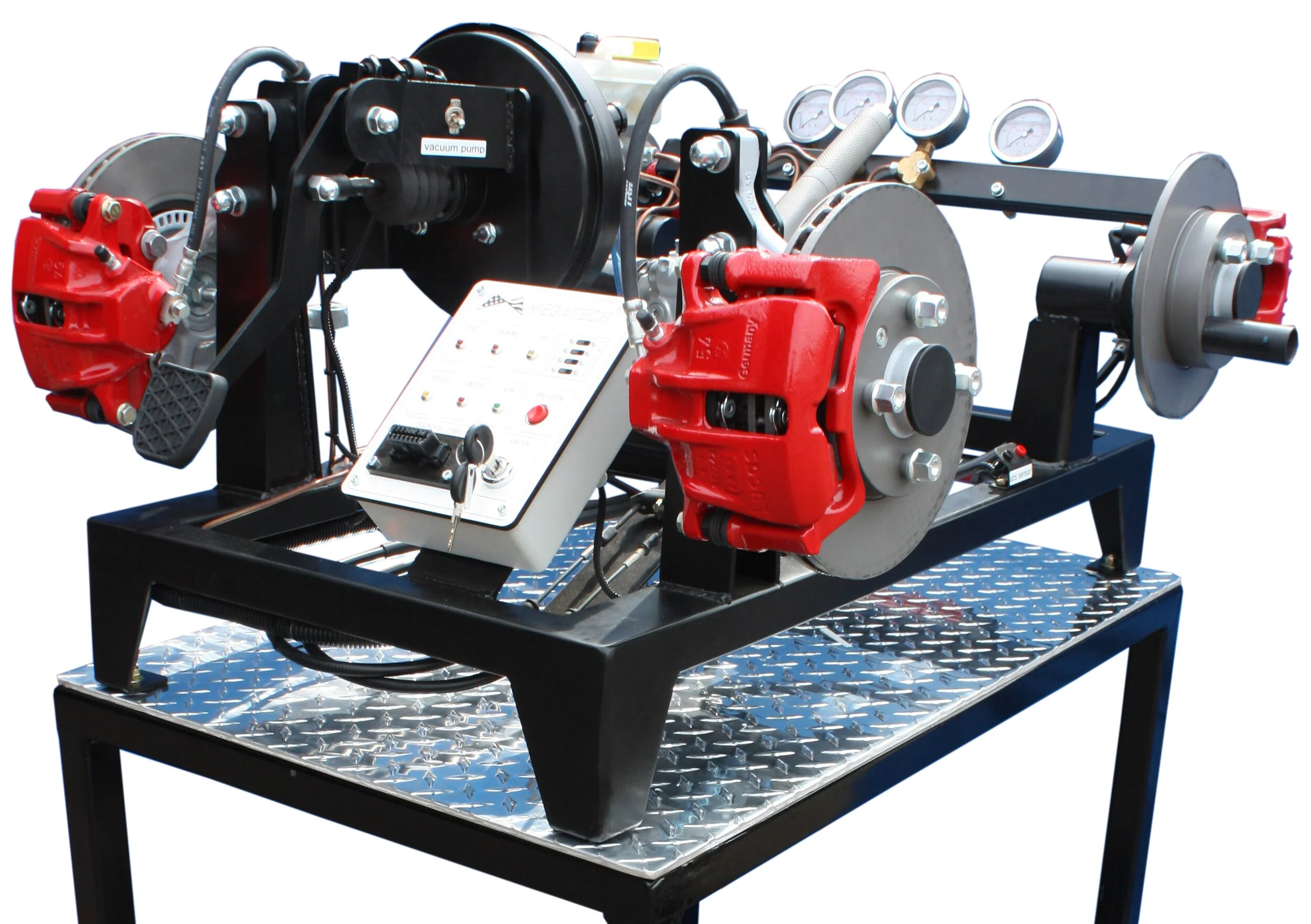
Factory or custom made trainers for electronics, electromechanical, pneumatic, fluidics, or hydraulic systems, even if a bit worn or out of date would be wonderful to introduce technician skills to our Explorers. Instruction documentation preferred, but we can figure out stuff ourselves if necessary.
Surplus piston engines
Any lawnmower, motorcycle, or small boat engine that can be taken apart without tears if it cannot be reassembled. Explorers learn about engine design as well as get dexterity in using hand tools for engine repair. In some cases we might get lucky and be able to reassemble the engine for the next team to work on. Engines do not have to be in working condition and for safety reasons will not be attempted to be run until our meeting facilities expand to an appropriate location. Baby steps first.
Surplus junk electric motors
Example mid-sized electric induction motors, brushed electric DC motors and electric brushless DC motors for take apart and suitable sized for easy examination. Reassembly of most motors requires skills and jigs and is not necessary for learning motor design.
Basic Tool Set
Entry level tools and socket set for taking apart engines and other equipment. Small needle nose pliers and fine wire cutters and strippers for electronic circuit building.
Expedite board game
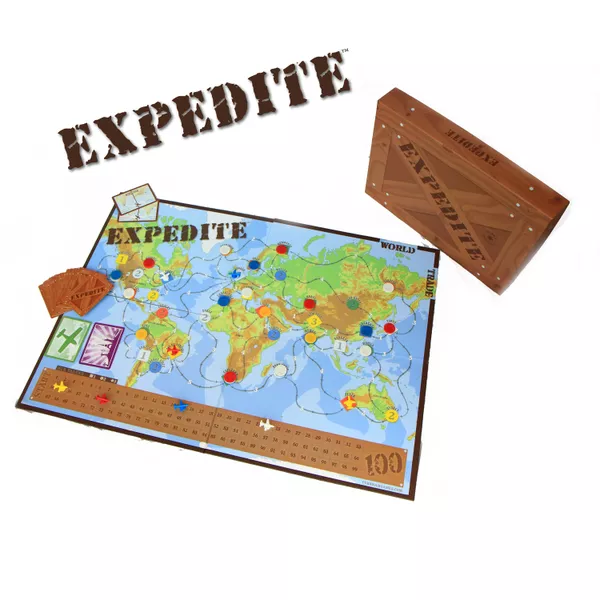
In the strategic route-building game Expedite, 2-4 players purchase hubs in different world cities in order to connect the starting and ending cities on one of his World Trade Cards. Don't own all the hubs? No problem – as long as you own the starting hub, you can give opponents points to use their hubs, but that might give them a greater share of the points from a World Trade Card than you get. Hmm, what to do?
To place a hub in an empty city, the player must discard 1-3 cards matching that city's color, with the number determined by the shape of the city. If someone else already has a hub in that city, you can pay double to place your hub on theirs; that player or another opponent can then pay triple to take possession; and so on.
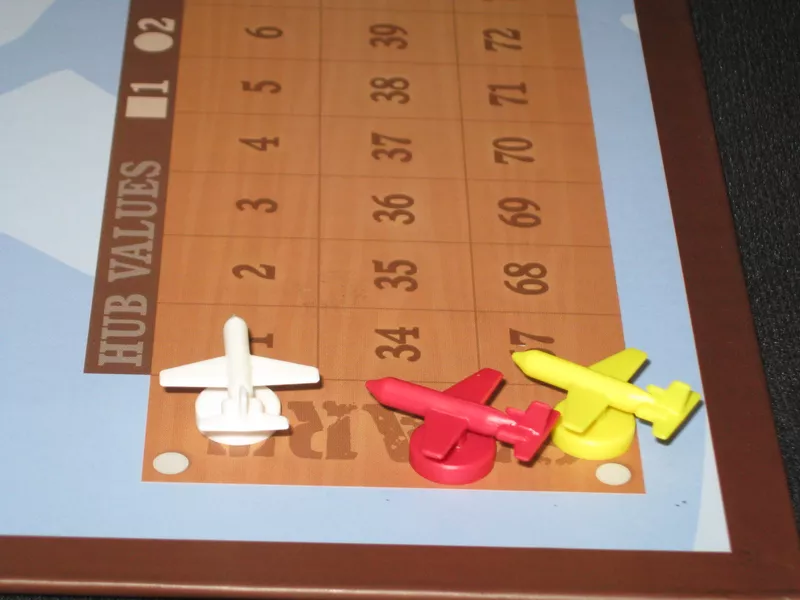
On a turn, you either draw cards, place a hub (whether by discarding cards or playing a "free hub" card), or score a World Trade Card. The first player to collect 100 points wins.
We need one copy of the game to start with in order to test its applicability for training Explorers. Once successfully tested we could use several copies of the game so that the whole Post can play at the same time which makes training and activity management easier for everybody.
Electronic aircraft instruments
Civil Engineering Drawing sets
Paper or electronic (preferred) drawings for ports or other civil construction projects. Any project from the past 50 years will most probably be still valid. Examples of really bad drawings are just as useful as really good ones. Full drawing sets including sheets for all the trades (Uniclass and ISO 13567 compilations) would be exceptionally helpful.
Obsolete Android smartphones
Obsolete smart phones with good cameras and decent memory but no SIM card can be used as time lapse photography tools. Free software such as Framelapse 2 can be used. Studying airport operations, birds flying over airports, people movements in terminals and many other experiments are possible with such repurposed phones.
Erector and Meccano kits
Many mechanical movements and mechanisms can be created with these kinds of kits. Four bar linkage mechanisms can be constructed and tested by the Explorers. Hand me down kits, somewhat worn parts, and incomplete sets would all be welcome. With enough donations over time we can have enough parts to make the demonstrators we need. Every little bit helps.
USB microscopes and surplus laptops
Examining electronics, engine parts, rivets, failed and corroded mechanical parts becomes more insightful with a microscopic view. Any entry level (example Dino-Cam) units would be helpful. Any surplus working laptops would be used to display the camera video feed and take snap shots. Non-working laptops would get sent to the take apart bench for a different kind of learning.